Generator Rental for Demolition Projects in Los Angeles
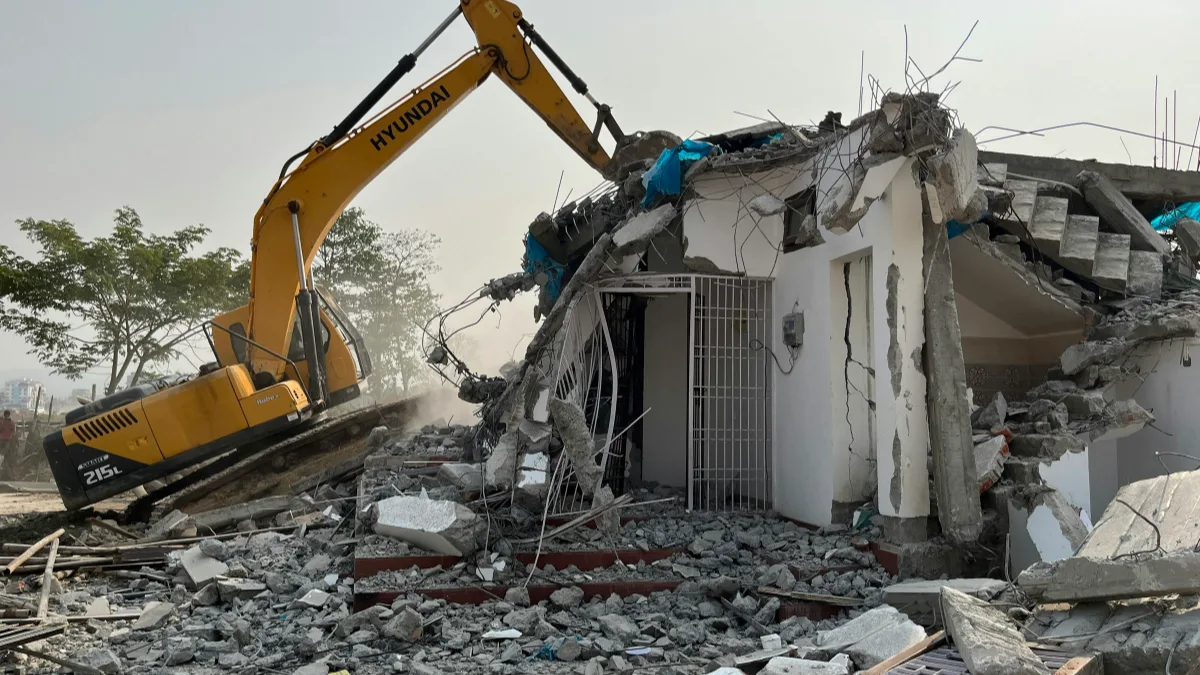
Demolition sites have a power problem that most people don’t think about until they’re standing on an empty lot with equipment ready to go and no way to run it. When you pull a utility disconnect to tear down a structure, you lose access to grid power. The utility meter goes, the service drops, and you’re left with a cleared site that needs electricity to do the work.
Generators solve this. The right generator rental keeps your demo equipment running, powers your lighting for safety compliance, and keeps tools operational through every phase of the teardown. ACO has been providing generator rental across Los Angeles for decades, and demolition is one of the most consistent use cases we handle.
This post covers what demo sites actually need from a power setup, how to size the generator correctly, and what mistakes cost demolition contractors time and money on LA job sites.
What Power Does a Demolition Site Actually Need
A demolition site has specific power demands that differ from a new construction setup. Here’s what typically needs to be powered during teardown:
- Electric jackhammers and concrete saws: High-draw tools that need consistent amperage, not a generator that bogs down under load.
- Dust suppression equipment: Water pumps and misting systems required by South Coast AQMD dust control rules on demo sites.
- Site lighting: OSHA and LA city ordinances require adequate lighting for any work extending past daylight hours.
- Compactors and electric lifts: If your demo plan includes staging debris for haul-off rather than immediate removal.
- Tool charging stations and power strips: Crew tools, communication equipment, and safety systems all draw continuous low-level power.
The key point: a demolition site isn’t lower-power than a construction site. In some cases, demo equipment draws more intermittent high-amperage current than framing tools do. Your generator needs to handle the peak draw, not just the average.
How to Size a Generator for an LA Demolition Project
Sizing comes down to what’s running simultaneously. If you’re running a concrete saw (around 15 amps), a dust pump (5 amps), and site lighting (10 amps), you need a generator that handles 30+ amps at minimum, with headroom for startup surge. Most demo sites run on a 20kW to 50kW generator. Larger commercial teardowns may need 100kW or higher.
ACO recommends starting with a load estimate before we size the unit. If you’re not sure what your peak draw looks like, tell us what equipment you’re running and we’ll spec it. Undersizing is the most common generator mistake on demo sites. See our post on generator rental vs. temporary power pole for more on how to choose the right setup based on your phase.
One thing that often gets missed: if your demo project spans multiple days with crew working extended hours, you may need a generator with a larger fuel tank or a refueling plan. ACO can advise on runtime capacity based on your project timeline.
LA Demo Sites Have a Disconnect-to-Reconnect Gap Most Contractors Don’t Plan For
Here’s what experienced LA demolition contractors know that newer ones learn the hard way: there’s often a weeks-long gap between LADWP disconnecting service on a demo site and a new utility connection being established for the rebuild. During that window, if you need power on-site for site prep, grading, or early foundation work, you have no grid access.
That gap is where generators carry the project. We’ve seen GCs plan a three-week demo, assume they can get a new temp pole up immediately after, and then wait five weeks for LADWP to establish a new service point. Understanding how LADWP handles service connections before you plan your power gap is worth the read.
If you’re managing a demo-to-rebuild project in LA, plan your generator rental to cover the entire window between disconnect and new utility connection, not just the teardown phase itself. ACO can bridge both phases without you needing two separate vendors.
LADWP Disconnection and What It Means for Your Power Plan
Before demolition begins in the City of Los Angeles, you need to coordinate a utility disconnect with LADWP. This involves scheduling, which takes time. If your demo start date is firm, initiate the disconnect request early.
Once the meter is pulled and the service disconnected, your only power source on-site is what you bring in. ACO’s generator rental service can be staged to arrive on your first demo day so there’s no gap between utility disconnect and working power on-site.
For projects in areas served by SCE rather than LADWP, the disconnect process is similar but timelines can differ. ACO works across both service territories and can advise on scheduling based on your specific location.
Generator Rental vs. Waiting for a Temporary Pole on Demo Sites
Some contractors try to fast-track a temporary power pole on a demo site to avoid generator rental costs. This almost never works the way they expect. A temporary power pole requires a building permit and utility coordination, which takes weeks. On an active demo site with a short project window, there often isn’t time to run that process.
Generators are the practical choice for demolition work. They’re on-site when you need them, don’t require a permit, and can be sized to exactly what your project demands. For the transition from demo to new construction, ACO can then set up a temporary power pole once the site is cleared and the new build permit is in hand.
Frequently Asked Questions
Do I need a permit to run a generator on a demolition site in Los Angeles?
For most demolition projects, a generator does not require a separate electrical permit. However, the demo project itself requires permits, and LADWP disconnect must be coordinated before work begins. ACO can advise on what’s required for your specific project.
How long can ACO’s generators run on a single tank?
Runtime depends on the generator size and load. Most units ACO rents run 8 to 24 hours on a full tank under typical demo loads. For multi-day projects, we build a refueling schedule into your rental plan.
Can ACO supply a generator that covers both demo and early construction phases?
Yes. ACO’s generator rental can cover the full window from utility disconnect through demo, site clearing, and early construction phases before a temporary pole is established.
What’s the minimum generator size for a residential demo in LA?
For a typical single-family residential demo, a 20kW generator handles most tool loads. If you’re running multiple high-draw tools simultaneously or need lighting for extended hours, we recommend stepping up to 35kW or 50kW.
Does ACO deliver and pick up the generator, or do I arrange transport?
ACO delivers and retrieves. We handle logistics so you don’t need to coordinate a separate transport vendor.
Ready to Power Your LA Demo Project?
ACO has handled generator setups for demolition projects across Los Angeles County since 1989. We understand the LADWP disconnect process, the power gaps that demolition creates, and how to size a setup that keeps your project moving. Contact ACO to get a generator rental quote for your demolition project.